









#1 · Editorial pick
Unbounce
Unbounce puts the landing-page experiment at the center: build a page, create variants and test the message before scaling a campaign.
First pick for marketing teams building and testing campaign landing pages.
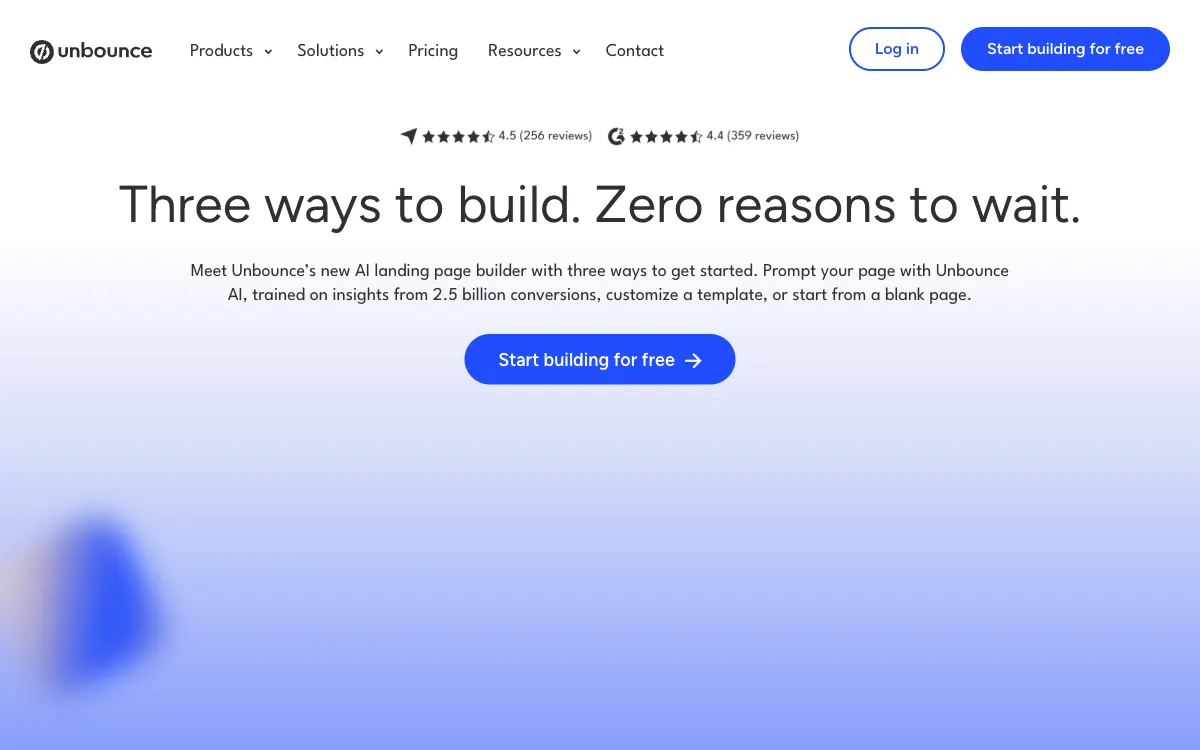
Landing page builders for campaigns: editors, forms, experiments and connections to your measurement stack.
Our order reflects the workflows described below and public product information. It is an editorial judgment, not a performance benchmark.
Unbounce puts the landing-page experiment at the center: build a page, create variants and test the message before scaling a campaign.
First pick for marketing teams building and testing campaign landing pages.
 #2Editorial pick
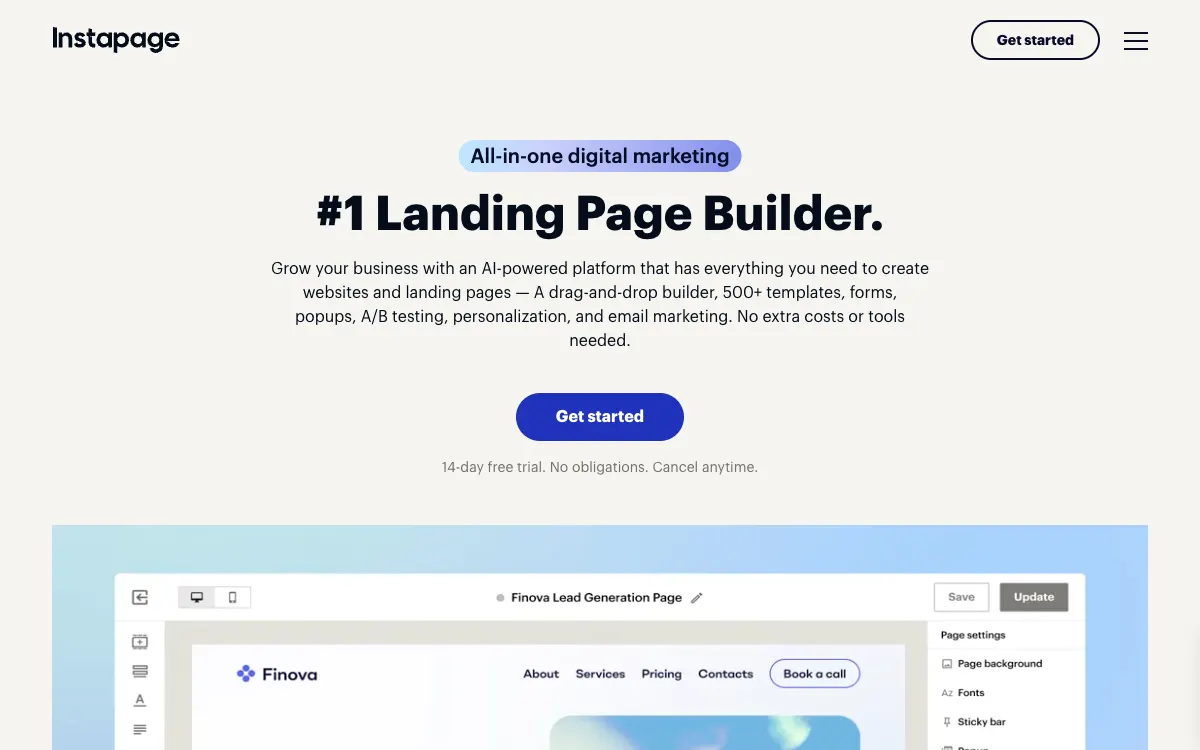
Instapage connects landing-page production with campaign personalization. It suits teams coordinating page changes and producing dedicated destinations for multiple campaigns.
A fit for collaborative teams creating landing pages for paid campaigns.
 #3Editorial pick
Landingi turns individual landing pages into a repeatable workflow: build pages, collect leads and use conversion data to guide subsequent changes.
A practical option for launching landing pages with forms and integrations.
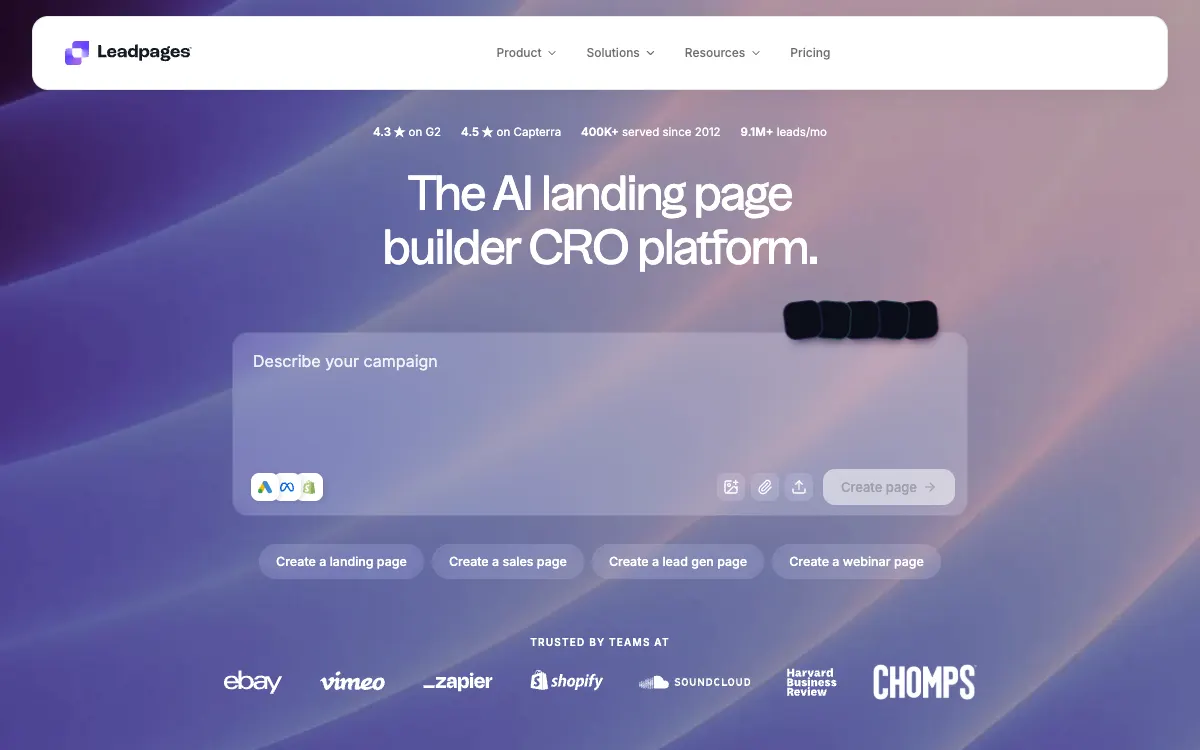
Leadpages combines page creation with tools for improving it. Templates, lead capture and marketing connections help teams test a new offer efficiently.
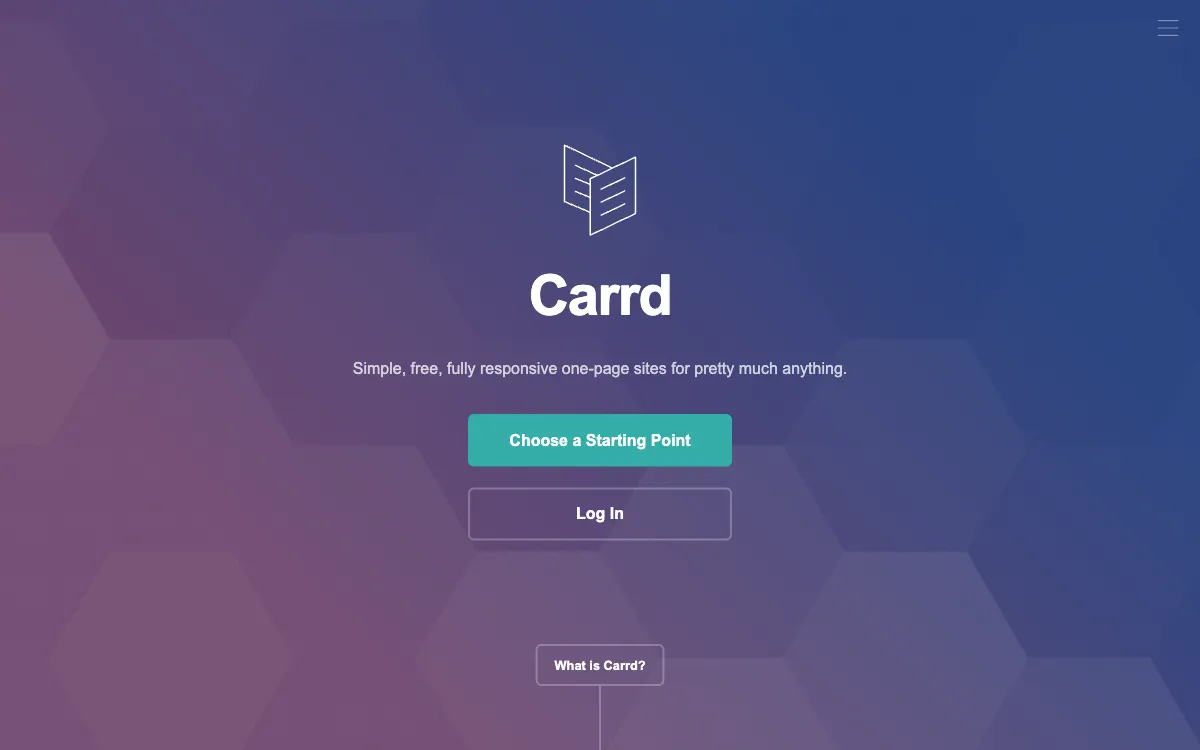
Carrd is built around one focused page: introduce a project, capture interest or give a campaign its own destination without building a larger website.
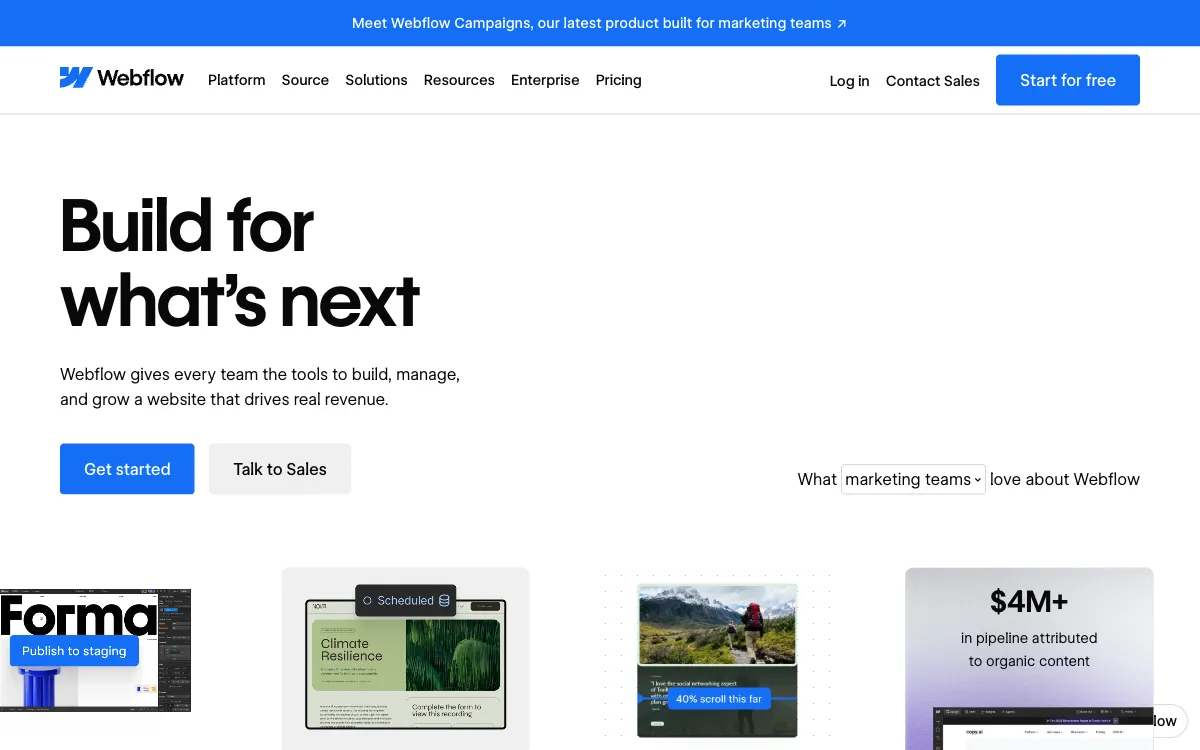
Webflow combines visual website design with a CMS. Consider it when campaign landing pages become part of a growing content site requiring design control.
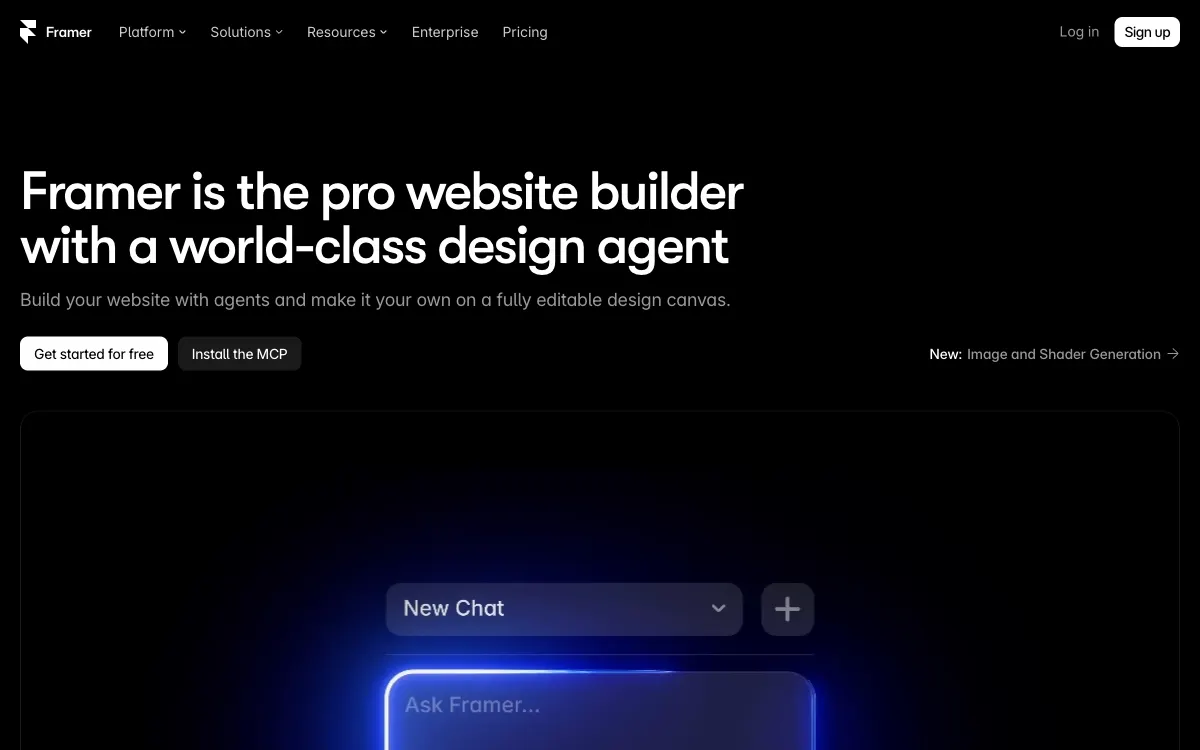
Framer connects a visual canvas with website publishing. It suits brand-led pages where teams want to iterate quickly while keeping the design editable.
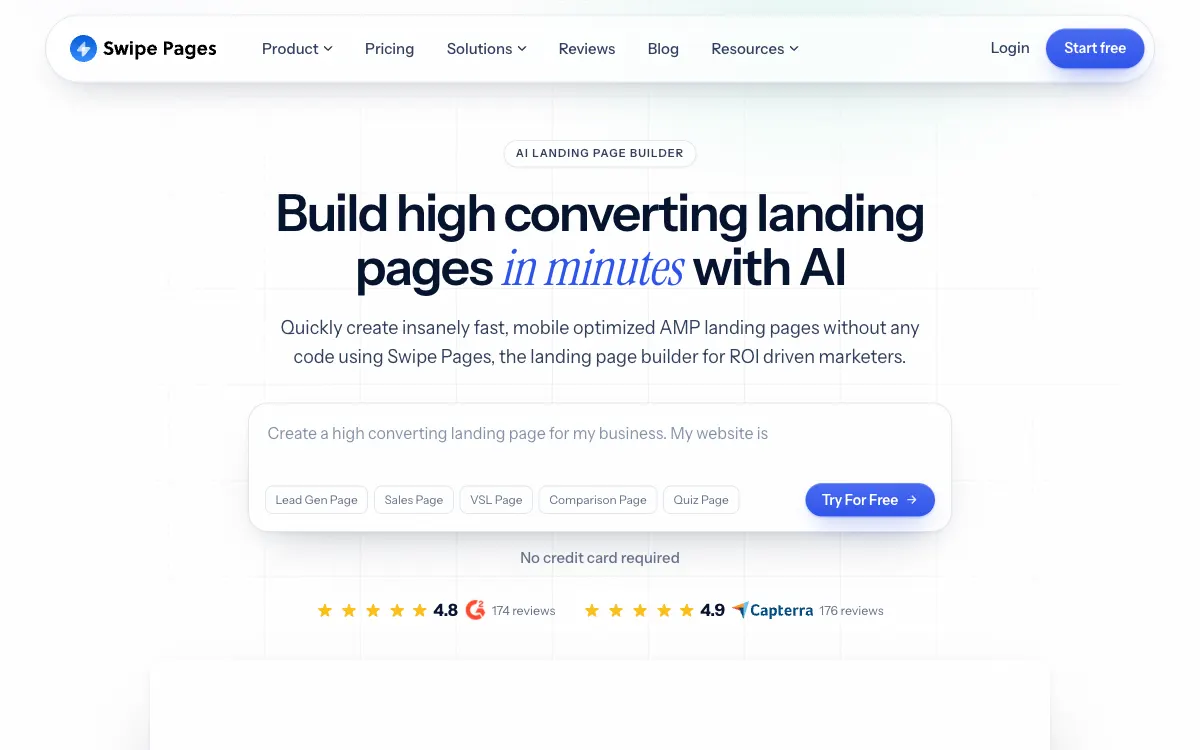
Swipe Pages focuses on fast mobile landing pages. It is relevant for media buyers preparing audience-specific variants and testing campaign hypotheses.
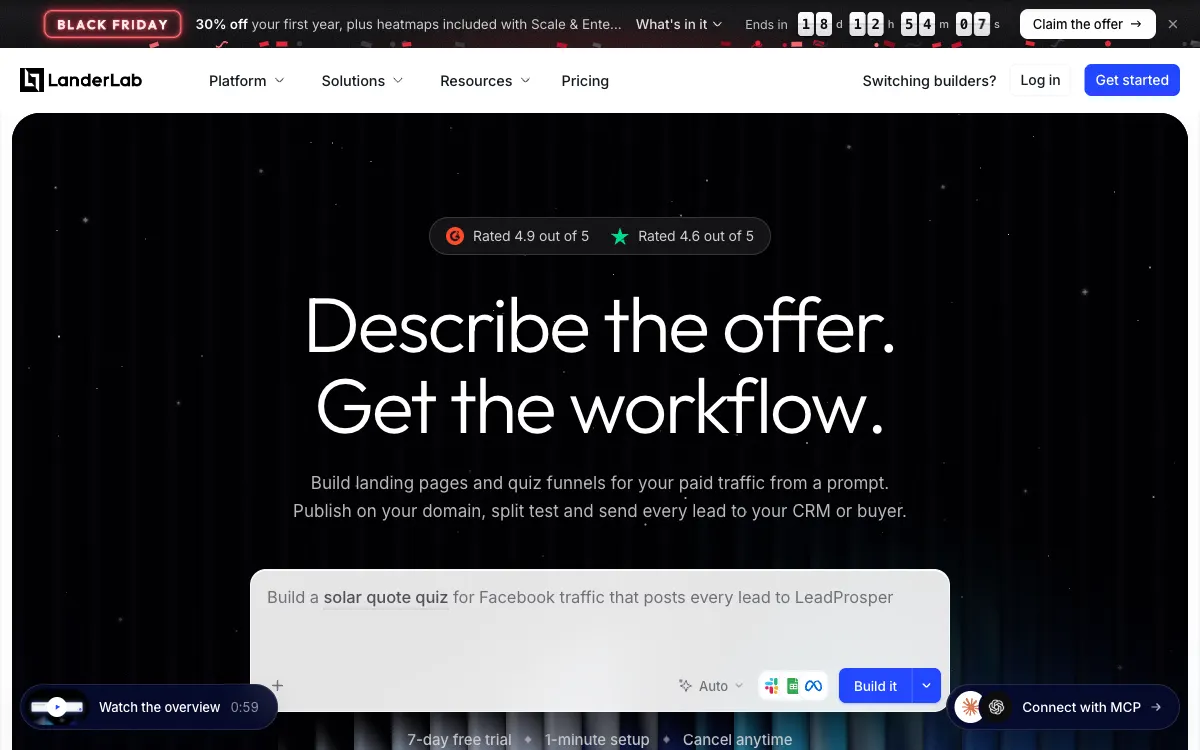
LanderLab targets performance marketing, connecting landing pages and quiz funnels with lead capture and delivery so the workflow continues beyond a form submission.
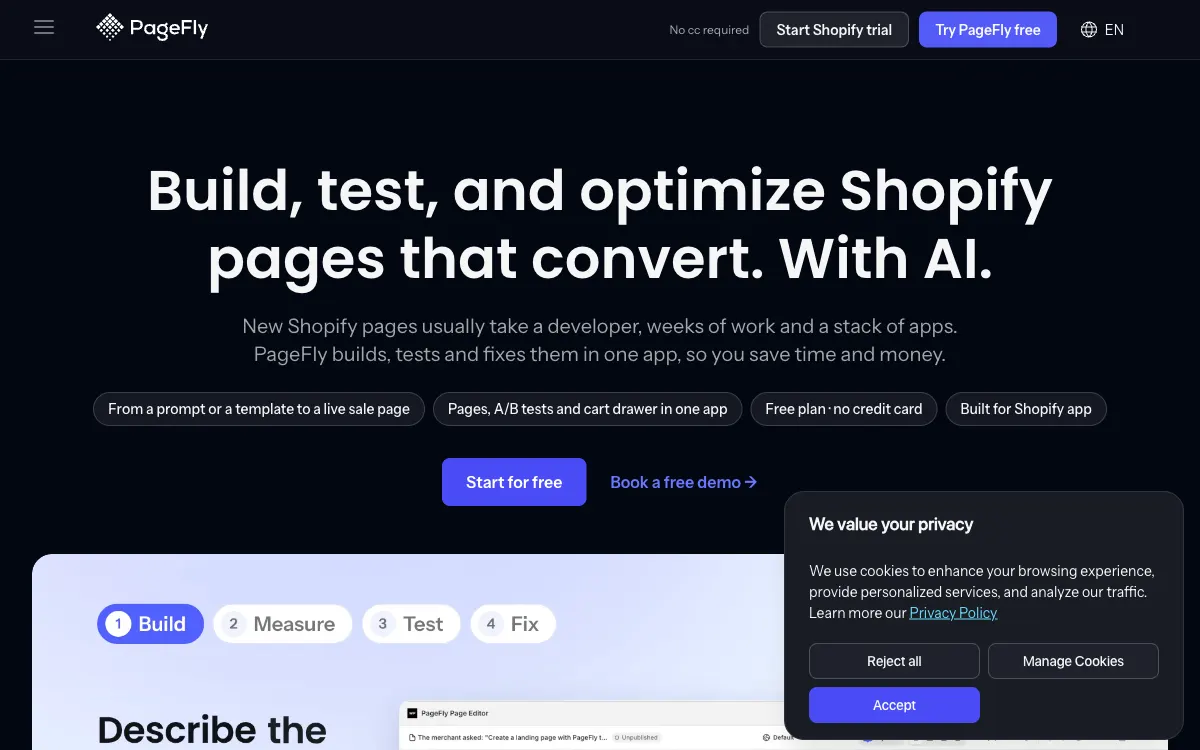
PageFly builds product and campaign pages within Shopify. Its value is editing the storefront in the context of the shop rather than moving buyers between platforms.
Common ownership disclosed. Featured placement is commercial, not an independent score. Methodology
A landing-page builder should support the campaign’s actual publishing and measurement workflow. Review the resulting mobile page and form behavior, not just the editor. A template can accelerate layout work, while conversion quality still depends on the offer, message and traffic arriving at the page.
Inspect first-page loading, typography and form completion on intended devices. Check the actual published domain and any extra scripts that the campaign requires.
Send a controlled form submission through the full route to your CRM or partner network. Confirm field mapping, duplicate behavior, failure handling and conversion-event delivery.
Verify which testing features the plan includes. Change one meaningful variable at a time and define the decision metric before interpreting a lift in page submissions.
Start with official sources, confirm the terms and run your own bounded test.


